CARE for Yale

Paul Park & Briana Dubon

Our Platform

What is YCC? What do we actually do? Are we an advisory board that administration consults when it feels like it, or are we a real student government with real power? Most students cannot answer that. And that is the problem.

YCC is supposed to be the connection between you and the people making decisions about your life here. But too often you find out about those decisions the same way everyone else does - through an email, through the news, or through a friend who heard it somewhere. Summer storage funding gone. Grants cut. Meal plans shifted. Nobody asked.

We are running to change that relationship. Not just between students and administration, but between students and YCC itself. This is what we are going to do.

C

Cost of Living

Yale is expensive in ways that go way beyond tuition, and we feel it every day at the dining hall, at the shuttle stop, and every time we check our Flex balance.

To-Go Containers

We are going to push for to-go containers so nobody has to choose between eating and making it to class or practice. This should already exist. Student athletes are running from the field to the dining hall with ten minutes to spare, students in labs cannot leave in the middle of an experiment, and students who are sick should not have to show up somewhere just to eat. We are going to fix that.

Dining Options and Fair Food Program

We will push for partnerships with eateries outside of campus as they did in 2005 with Yorkside Pizza such as Gheav and Nice Day Chinese to accept Bow Wow points. Expanding where points work means expanding your options, and that matters especially for students who rely on their meal plan as their primary way of eating. We will also fight for a dining input process that actually changes the menu - not one that sends a survey, collects your responses, and does nothing visible with them. Something modeled on what Commons has done, where student feedback leads to real changes you can see. And we will work to bring Yale into the Fair Food Program, because the values this university claims should show up in how it sources its food.

Flex Points

Yale's own YCC found that the Flex Plan is at least $920 short of its actual value. Food prices have gone up. The plan has not kept pace. Students are stretching their points and running out weeks before the semester ends. That is not a personal finance problem. That is Yale's problem, and we will push for the Flex Plan to reflect what students actually pay and what food actually costs.

Mobility and Access

We will push for a rideshare partnership with Yideshare because getting around New Haven at night should not feel like a problem you have to solve on your own. Many students aren't even aware that the Yuttle goes to Trader Joe's, Shop Rite, and even Walmart. But, we hope to expand this system to locations like Ikea especially during move-in for clothing racks, desks, and towels because not everyone has a car or a friend with one, and basic errands should not require either. We also want a Saturday stop at the local food trucks - New Haven's premier food truck scene (almost as famous as its pizza) that students barely know exist.

A

Academics

Yale pushes you to explore, but the system does not always make that feel safe. A lot of students stick to what they know because trying something new feels like too much of a gamble. We want to change that calculus.

Credit/D/Fail for Every Major

Credit/D/Fail should work for every major. Right now CS and Economics do not allow it, which means those students have fewer options than everyone else. That is a real inequity and it has just been sitting there. We are going to push for at least one Credit/D/Fail to count toward major requirements across every department. This Cred/D/Fail should also be retroactive. Asking students to decide before they know how the curve landed hinders their GPA capacity and stresses them out, decreasing effectiveness.

Push Back on Grade Caps

We are going to push back on the proposal to cap grades. One of our favorite parts of Yale is the community. A community where students collaborate, cooperate, and encourage each other to grow. However, by capping grades, we contaminate this culture with academic toxicity where students begin to focus on themselves and no one else. Capping grades would fall hardest on the students who can least afford it, those applying to medical school, law school, graduate programs, and competitive jobs where GPA still matters. It would create new anxieties rather than reducing existing ones. Students need to be in that conversation before a decision is made, not handed the outcome afterward. We will make sure they are.

A Real Reading Week

Reading Week should actually be a week. Two days is genuinely not enough to go back through a full semester of material and prepare for cumulative exams. We all know this. Over time, we have been losing time to study for our finals one day at a time until now we are left with a two-day break + the weekend before the start of finals. We will fight for a real reading period so students are not scrambling through the last stretch completely burned out.

Expand Dean's Extensions

Dean's Extensions are currently granted for illness, family emergencies, religious observances, and varsity athletic events. That list is a start, but it has real gaps. ROTC students have mandatory drills and training exercises that carry the same weight as a varsity schedule but do not qualify. Students facing serious caregiving responsibilities (ex. a parent in crisis, a sibling who needs them) fall outside what counts unless there is a death involved. Students dealing with a genuine mental health emergency deserve the same access as those with a physical illness, and we want to make sure that is applied consistently, not case by case depending on who you ask. And students fulfilling civic obligations like jury duty or required government service should not have to choose between their academic standing and showing up for their responsibilities as citizens. We are pushing to expand the list to reflect the actual lives students are living, and to make the process clear and consistent so students know what qualifies and feel confident enough to ask.

Expand Certificates

Certificates should be expanded and they should actually reflect the range of work students do here. Right now the options are limited and they do not capture a lot of the serious academic investment students are making across departments. We want to work with faculty to create certificates in areas where students are already concentrating their coursework but have no formal way to show it. If you spent three years going deep into a field, that should be recognized on your transcript in a way that is meaningful and visible. This also matters for students who want to demonstrate interdisciplinary work to employers or graduate programs. A certificate in an existing major or across related departments is a practical, low-barrier way to give students credit (literally) for the intellectual commitments they are already making.

R

Resources

There is a version of Yale some students know how to navigate and a version others never find. The difference usually comes down to who happened to tell you something, and when. A junior friend who mentioned a scholarship. A dean who explained how UOFC works. Not everyone has those people. And that gap between students who do and students who do not is something we can actually do something about.

Yale Student Resource Hub

Some students know exactly where to find funding, how to book a room, where to go when things get hard. A lot of students do not, not because they are not trying but because the information is spread across a dozen different places and nobody ever put it together in one spot.

We are building the Yale Student Resource Hub. One place. Everything in it. UOFC funding and more equitable access to it. Scholarships that are actually visible, including restoring the junior class professional development stipend that was quietly taken away from students who had planned around it. Room bookings. Mental health resources including YC3 and counseling clearly laid out so students know what is available and how to access it. Clarity on how to use the Shuttles. Yale Connect rebuilt into something that actually works – a cleaner interface, accurate membership numbers, and a platform student organizations can genuinely rely on instead of work around.

Student Leadership Handbook

The Student Leadership Handbook is going to live at the center of the hub. Orientation week throws everything at you at once and most of it does not land, which is just how it works when you are also trying to figure out your roommate and find the dining hall. We want every student to have access to what people a few years ahead of them figured out the hard way: how registration actually works, where the money is, what all the acronyms mean, and how to actually navigate this place instead of the version that gets described in the welcome materials.

E

Empowerment

Empowering Students, Empowering YCC, Empowering New Haven. Everything else we are promising depends on this one. If students do not know what is happening, none of the other policies matter. Too much gets decided without students right now and we are done with that.

Radical Transparency

Weekly updates, every week, covering what we worked on, what actually moved, and what did not and why. Not just the good news. After every admin meeting a summary goes out. You hear it from us before it shows up anywhere else. Before we walk into any negotiation we will tell you what we are bringing to the table so you can hold us to it. Written agreements with Yale on what student consultation actually means. Senators reporting back to their colleges. Online submissions always open. And we will be at Cross Campus, Bass, or Beinecke every week for anyone who wants to talk in person.

For Our Athletes

To our athletes - you compete for this school constantly and the stands are not always full. We are going to get live shuttle tracking to Yale Fields in the app so students can actually make it to games. Tickets available at games, giveaways to build real school spirit across every sport not just the ones that get attention, and a proper orientation for first-year athletes on teams like soccer and field hockey so they feel part of this community from week one instead of figuring it out alone. You show up for Yale every time. Yale should return that.

Town Halls with Leadership

On transparency: town hall with President McInnis so students can ask the questions they have been sitting on. Separate town hall with the Head of the Investment Office on Yale's $44 billion endowment, because understanding where that money goes is how students propose policies that actually have a shot at passing - not just sounding good.

Culture and Affinity Groups

On culture: what makes this campus special is the people on it, and affinity groups do not get the support that reflects that. Campus-wide cultural potluck with cultural houses, intercultural programming throughout the year, cultural center funding restored, and affinity group voices taken seriously every day not just during the weeks designated for it.

New Haven Partnership

On New Haven: we live here. The people in this city are our neighbors. Partnership with Link New Haven, collaboration with Dwight Hall and local soup kitchens to connect students with volunteer opportunities that match what they actually care about. The bubble is comfortable but it is not community. We are stepping outside it.

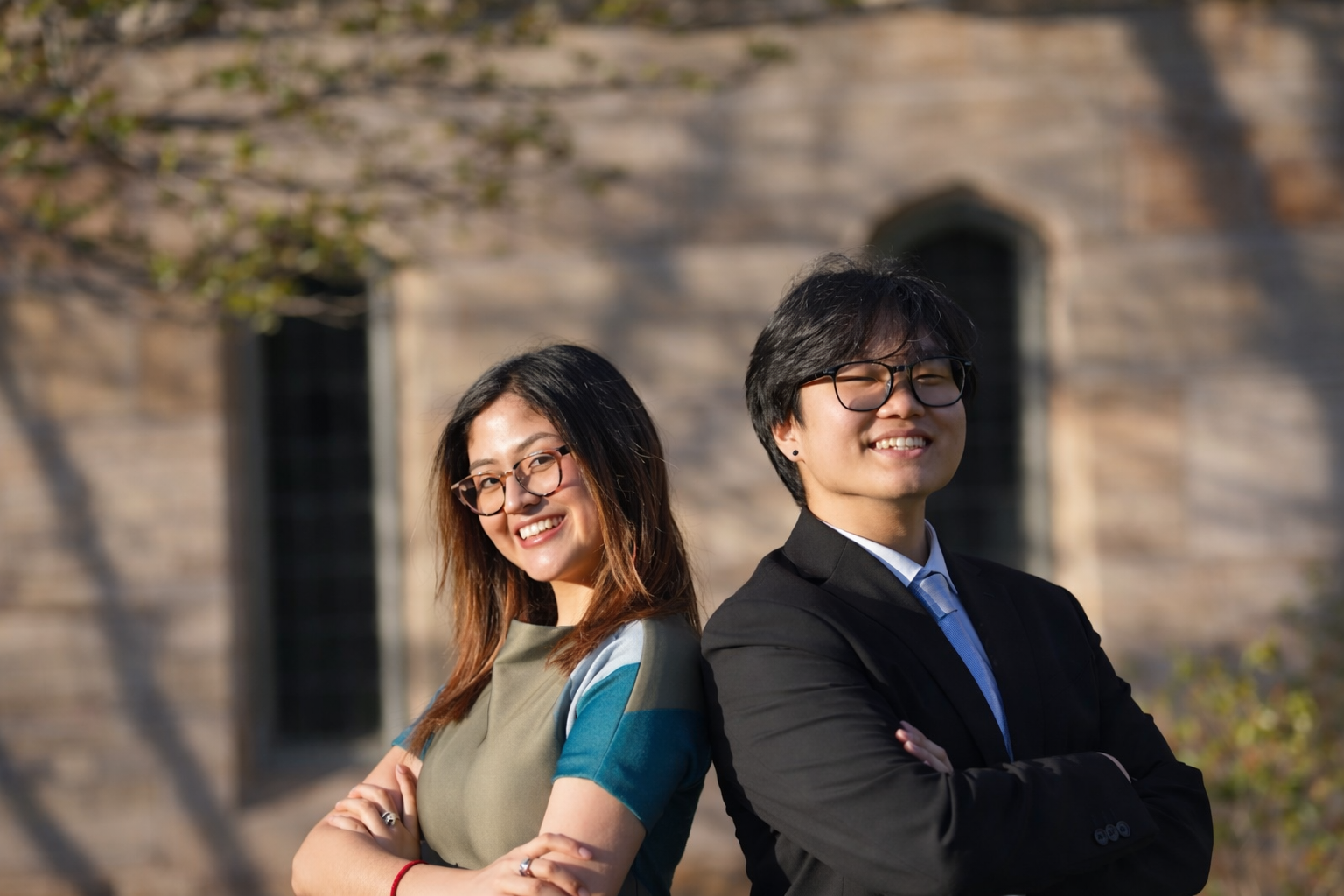
Meet Paul and Briana

Paul Park

Paul Park

Benjamin Franklin College | Political Science & Psychology, Certificate in Education Studies | Bellevue, WA

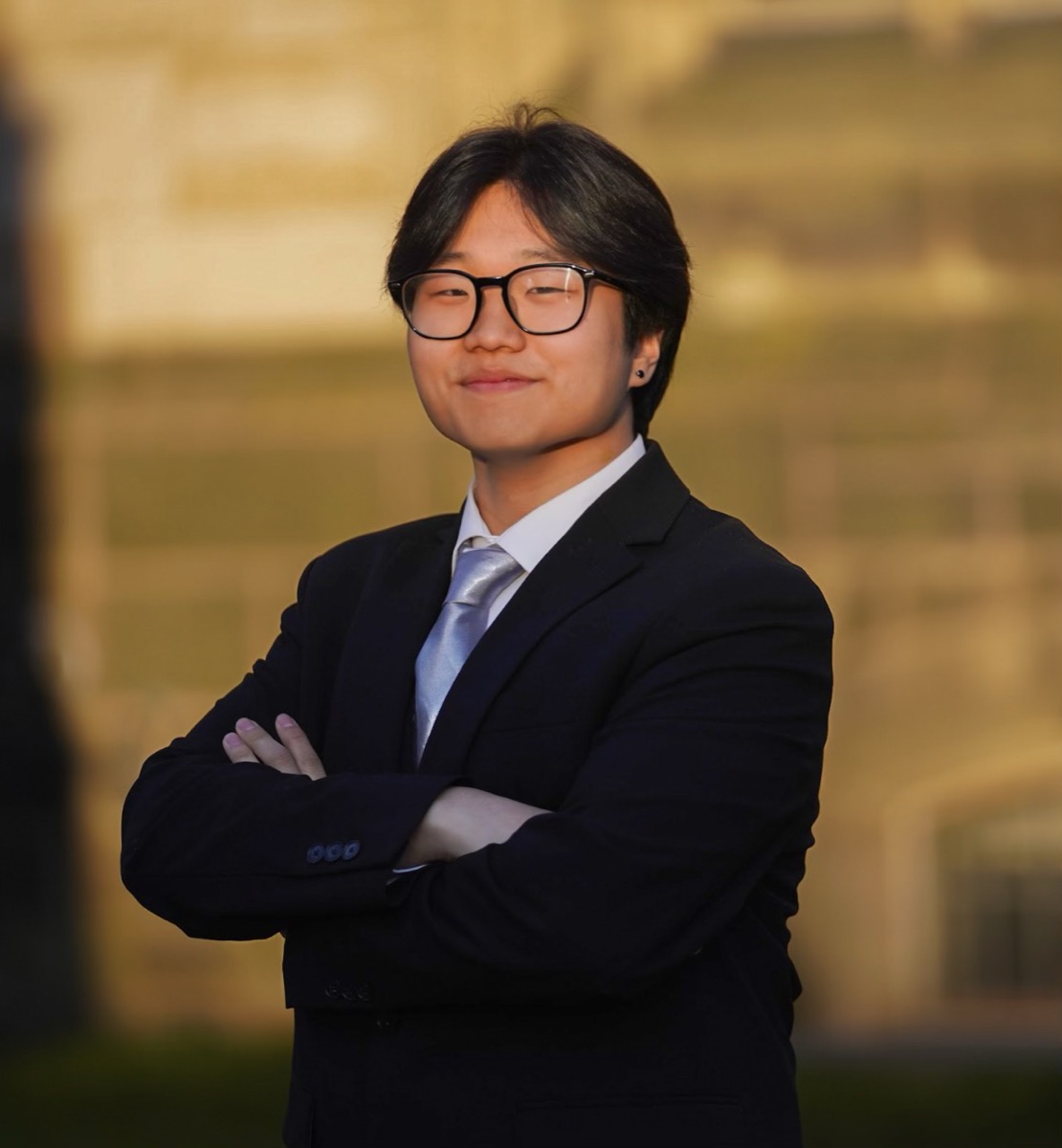
Meet Paul Park, a junior in Benjamin Franklin College majoring in Political Science and Psychology with a certificate in Education Studies.

At Yale, Paul has served as Executive Board of the Yale Foreign Policy Initiative (YFPI), Sophomore Class Council (SOCO), First-year Class Council (FCC). He continues to serve as JCC (Junior Class Council) representative today.

Paul has also been serving as the President and Outreach chair for the Korean American Students at Yale (KASY). His role as Precilitator and drummer for United in Christ's Walk (UCW) makes him a strong advocate for expressing compassion, etc. Paul is also a Questbridge scholar and a first-generation, low-income student who understands firsthand how it is to strive for achievement under financial challenges.

Back in Bellevue, Washington, he has dedicated over 6 years and 2,500+ hours to helping PreK-12 students excel in their studies, collaborating with local libraries across 50 locations to host educational opportunities for the next generation.

Everything Paul does comes from the same place: CAREing, as he will continue to do as your YCC President.
Briana Dubon

Briana Dubon

Davenport College | Economics, Certificate in Energy Studies | New York, NY

Meet Briana Dubon, a junior in Davenport College majoring in Economics with a certificate in Energy Studies.

Back in New York City, she ran a small business for four years, gaining direct experience in what it takes to lead, listen, and deliver results. She also founded a discussion and support group that partners with local organizations and volunteers with the community.

At Yale, Briana serves as Director of the Yale Entrepreneurial Society Pitch Competition and as a Junior Class Delegate to the Yale Alumni Association, representing the Class of 2027. She served as a Launch Leader for Yale's first year orientation program. Briana is also the founder and host of The SparkLux Series, a podcast featuring conversations with executives about leadership, and helping others chart their course with confidence.

Ready to hold the administration accountable and put students first.